You’ve bought the elearning library. The content is in your LMS. And nobody is using it.
This is more common than most vendors will admit. I’ve been building off-the-shelf elearning content for over 20 years and I’ve seen it happen across every sector and every size of organisation. The content gets blamed. The budget gets questioned. And the L&D team is left defending a decision that wasn’t the problem in the first place.
At Real Projects we’ve built our service around making sure this doesn’t happen. Here’s what we do differently, and what you can do right now if your library isn’t getting the usage it should.

How it works
From first conversation to content live in your platform in five straightforward steps.
What Real Projects offers that most vendors don’t
A free content audit
Tell us what your organisation needs. The topics, the audiences, the gaps you’re trying to fill. We’ll map your requirements against our library of 800+ courses and give you a full list of what’s available, what fits, and where the gaps are. No charge, no obligation.

If you want to see specific courses before you commit, you choose which ones. We show you the content you’ve asked for, not a pre-selected showcase of our favourites.
A price audit
Complex elearning library pricing is one of the biggest frustrations in this market. We’ll look at your user numbers and your current spend and give you a straightforward cost per user figure. No complex models, no hidden fees, no surprises at renewal. A clear number you can take to your finance director.
Content roadmap visibility
We’ll show you what’s coming: courses in development, topics in the pipeline, planned releases. You won’t just be buying what exists today. You’ll know what you’re going to get over the life of the contract.
And if you need something that isn’t on the roadmap yet, tell us. If it’s a gap that other organisations share, we’ll consider adding it to the development plan. Clients who’ve shaped our roadmap have got access to new content built around their actual requirements at no extra cost.
A money-back guarantee
Demos are useful but they’re not the same as having the content in your platform. If you get the content, put it into your LMS, and it’s not working for your organisation, we’ll give you your money back. No complicated process, no argument. We’re confident in what we’ve built. If it’s not right for you, you shouldn’t be paying for it.
No platform? We can help with that too
If you don’t yet have an LMS or LXP in place, that’s not a barrier. Elearning can work without a platform and we can point you in the right direction. Get in touch and we’ll talk through your options before you make any commitment.
Why elearning libraries fail after purchase
If your library isn’t getting used, the content is rarely the reason. What goes wrong almost always comes down to three things that happen after the purchase. If you’re still in the buying phase, our complete guide to buying an elearning course library covers what to look for before you sign anything.
Nobody knows how to use the LMS
LMS onboarding is often poor. People are shown how to log in and given a quick tour, but nobody walks them through how to allocate content to users, set up groups, or track completion. A few months after launch, the L&D team goes back to check progress and finds that usage is at zero. Not because nobody wanted to learn, but because nobody knew how to assign them anything.
Before you launch any library, make sure the people managing the LMS actually know how to use it. That means proper onboarding, not a thirty-minute demo. If your LMS provider’s onboarding was weak, go back and ask for more support. The cost of not doing this is a library that never gets used and a renewal conversation you won’t enjoy.
The metadata is too thin to navigate
Think about how you buy shoes online. You don’t search for “shoes.” You filter by type, brand, colour, size, use case. The granularity is what makes the experience work. Most elearning libraries don’t work like that. Courses arrive with a title and not much else. No subject tags, no audience level, no duration filter, no topic mapping.
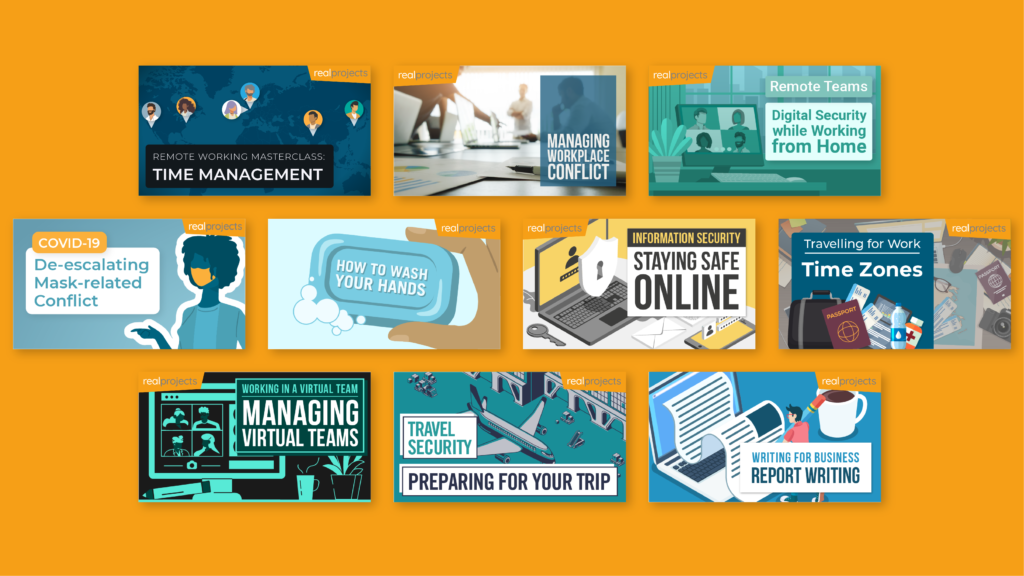
The result is a blob of content that people scroll through once, don’t find what they need, and never come back to. Every Real Projects course comes with full metadata, a thumbnail, and a course description so your team can organise and deploy content without the guesswork.
There is no internal marketing programme
Netflix doesn’t just put content on the platform and hope subscribers find it. They run premieres, put trailers on YouTube, and run campaigns across social media weeks before anything launches. They market content that already exists on a platform people already pay for.
Your learners are consumers. They need to know the content exists, why it’s relevant to them, and what they’ll get from it. Putting 800 courses in an LMS and sending one email to the company is not a launch strategy. Treat every content update as a launch, link courses to things already happening in the business, and use managers to promote content to their teams.
Getting the content into your platform
Access to the content isn’t just about obtaining files. It’s about a seamless experience where your team can retrieve, integrate, and update content without technical barriers slowing things down.
Make sure your provider’s content is compatible with your LMS standards. All Real Projects courses are SCORM-ready and built to work with any major LMS or LXP. SCORM files, metadata, thumbnails, and course descriptions arrive together so you’re not chasing files before you can deploy.
Before you announce the launch to the whole organisation, test a few courses in your platform. Upload them, check they run on your target browsers and devices, and get a small group of people to try them. Technical issues discovered after a company-wide email are much harder to recover from than ones found quietly in advance. For a step-by-step walkthrough, see our guide on how to import elearning courses into your LMS or LXP.
One more thing worth checking before you sign: some providers require you to sign an NDA just to test sample files. The content is already in the public domain. You shouldn’t need an NDA to upload a few courses and see if they work in your system.
Getting the deployment right
You don’t need to give people access to everything at once. Start with the highest-priority content, the courses that connect directly to what’s happening in the business right now, and build from there. Curating a shortlist of high-priority courses and launching that first is more effective than giving people access to 800 courses and hoping they find something useful.
And make sure somebody owns the library internally. The organisations that get the most from their elearning content are the ones with a person, a plan, and a programme of internal communication. Without that, even the best library quietly fades into the background.
Frequently asked questions
Why do most elearning libraries go unused?
The three most common reasons are poor LMS onboarding, thin course metadata that makes content impossible to navigate, and no internal marketing programme to tell learners the content exists. Buying the library is only the first step.
What is a free content audit?
A free content audit means we review your organisation’s learning requirements and map them against our library of 800+ courses. We identify what’s available, what fits your needs, and where the gaps are. There’s no charge and no obligation to buy.
What metadata should come with an elearning library?
At minimum: course title, description, subject tags, audience level, duration, and thumbnail image. Good metadata makes it possible to search, filter, and map content to your LMS categories. If a provider can only give you a course title, that’s a problem worth addressing before you sign anything.
How does the money-back guarantee work?
If you get the content into your platform and it’s not working for your organisation, we’ll refund you. We’re confident in what we’ve built. If it’s not right for you, you shouldn’t be paying for it.
Can I influence what goes into the Real Projects content roadmap?
Yes. If you need a course that doesn’t currently exist in our library, tell us. If it’s a gap that other organisations share, we’ll consider adding it to our development plan. Clients who’ve done this have got access to new content built around their specific needs at no extra cost.
How do I get my team to actually use the elearning library?
Treat the launch like a marketing campaign. Tell people what’s available and why it’s relevant before it goes live. Use managers to promote content to their teams. Link courses to things already happening in the business. One company-wide email is not enough.
What if I don’t have an LMS?
Not having a platform isn’t a barrier to getting started. We can help you understand your options and find the right solution for your organisation before you make any commitment to content or technology.
Sound familiar?
Most of the L&D teams I speak to are in one of a few situations. Their existing library is running out of content. They’re overpaying for what they’ve got and struggling to justify the renewal. Or they’re assuming that switching provider, or adding a second one, is more complicated than it’s worth.
That last point is worth addressing directly. You can have more than one elearning library. There’s no rule that says you’re locked into a single provider. If your current library covers compliance but not leadership, or covers English but not the languages your global teams need, the answer isn’t to wait for your provider to catch up. The answer is to fill the gap.
A good LMS or LXP should be supporting your L&D strategy, not protecting its own platform. If your provider is making it difficult to bring in content from elsewhere, that’s a commercial decision on their part, not a technical limitation on yours.
Our job is straightforward. We look at what you need, map it against what we have, identify the gaps, and give you sensible pricing. Some of the contract prices I’ve seen in this market are difficult to justify. We don’t work that way. One annual fee, full access, no surprises.
If you’re reaching the end of your current library, overpaying for content your people aren’t using, or just want to know what else is out there, the free audit is the right place to start. No commitment, no lengthy sales process. Just a clear picture of what’s available and what it would cost.
Scott Hewitt
Scott Hewitt is the founder of Real Projects, an off-the-shelf elearning content library trusted by organisations including HowNow, OpenSesame, Ticketmaster, and easyJet. He has built a library of over 800 courses across nine languages, with a focus on practical workplace training that’s ready to deploy on any major LMS or LXP.
Scott has spent over 20 years watching elearning libraries succeed and fail across every major sector. The patterns repeat: the content is rarely the problem. What determines whether a library gets used is what happens after the purchase, and most organisations never get that part right.
 Connect on LinkedIn