You don’t need to pick one, you might need more than one provider to cover what you need and also you need to think about the number of people who are actually going to use the library.A mistake when people buy software is that they buy too many licenses – only buy what you need. Be aware of licenses, this is where things can get expenses and some of the hidden costs can be found.
Check contracts to make sure you understand the length of the contract, termination clauses, when you get updates and what you are getting. Also the classic is check for price updates – you might have been give an unreal first year price only to find that you’ve been locked into a big price uplift in years two and three.
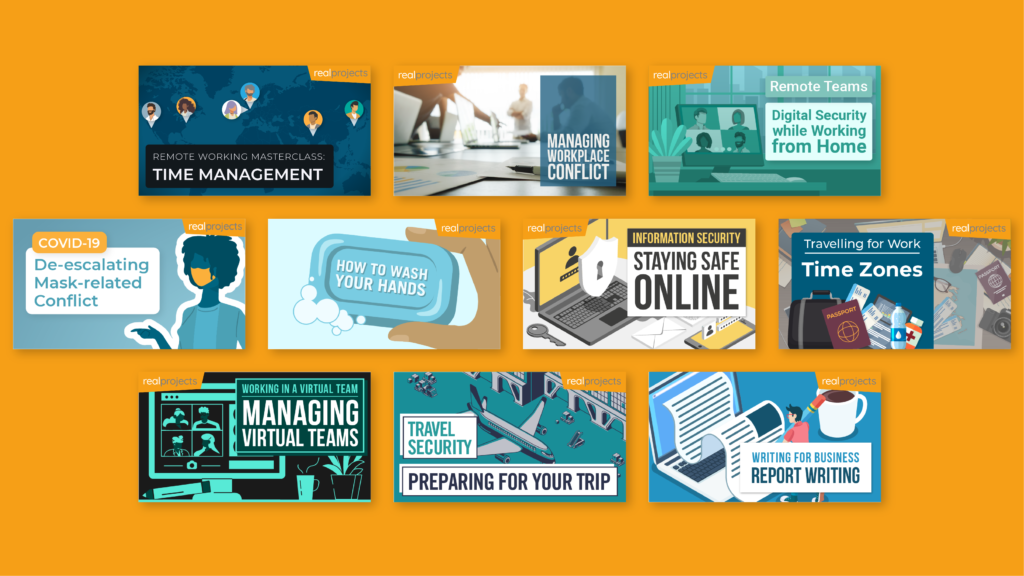
That is what it can feel like when you are choosing an off-the-shelf elearning library. On the surface, every provider looks the same. The wrong elearning library can waste time, money and credibility. The market is busy with different providers, covering a range of sectors and you can utilise an elearning buyers guide to help you nagivate the process.
You might be an L&D Leader who has just started a new position and you are completing a review of the organisation’s resources and infrastructure and you just think ‘this just feels wrong’. The challenge is making sure that you don’t make the same mistake.
A quick scan of your LinkedIn roll, if you are on the platform, and you’ll read about how content is the problem. But this isn’t the case. Content is part of any L&D strategy. You don’t hear many people walking into bookstores and complaining about the volume of books – it might be that they are not very well organised or that there is no customer help.
- The global elearning market is projected at $320 billion in 2025 (DemandSage).
- Online learning improves retention by 25–60%, compared with 8–10% for traditional training (Sci-Tech Today; DemandSage).
- 98% of organisations planned to use elearning by 2023 (continu.com).
- Hidden costs often include limited integration, generic content, license scaling, and vendor lock-in (eLearning Industry).
- Effective ROI comes from alignment with business objectives, not just content volume (eLearning Industry).
- Microlearning drives higher completion and retention, while mobile learning can boost productivity by 43% (continu.com; eLearning Statistics Education).
Breadth and depth
A strong library offers a wide spread of topics such as leadership, soft skills and compliance. It should also have depth within those topics. Surface-level modules will not deliver lasting value.What do you need to deliver?
Have you completed your own assessment of what your organisation needs now and in the future. The future piece is difficult – despite what everyone says. You’ll have a plan for the coming months, but remain flexible. Look for partners with a roadmap that might match your thinking.
Real access, not glossy demos
Demo reels may look impressive, but they rarely show the full picture. Always review actual courses so you can judge tone, structure and content types. See if you can test them with some of your target audience.
Scott Hewitt often asks: “When organisations select an elearning library, why is the biggest hidden cost so often not getting real access to the content? You need to be able to see the actual courses that matter to your organisation, not just a polished demo reel.”
True localisation
Pressing “translate” is not enough. Libraries that invest in native speakers and cultural review keep learners engaged. Automation on its own often leads to drop-off.
AI is here
It is allowing localised content to be deployed but just because you can doesn’t mean it’s good. If a supplier if offering its entire library ‘in over 130 languages’ the changes are that its AI and machine learning
Compatibility and support
Test SCORM or xAPI uploads early. Ask about metadata, thumbnails and file integrity. Reach out to support and see how quickly they respond. That will give you a sense of the service you will receive later.
Scott Hewitt adds: “If you don’t get that access early, don’t you risk ending up with dated or unsuitable content that fails technically, lacks relevance, or delivers a poor customer journey?
It isn’t realistic to review an entire library, but you do need to carry out due diligence and view the content that really matters. Otherwise, what kind of procurement process is that?”
Get technical teams involved
These are the people who are going to deal with implementation and questions during deployment. Courses should work, but there are platforms that don’t accept course files like SCORM.
Future-proofing
Training needs change. Look for providers with transparent update cycles and clear content roadmaps. A static library may work in the short term but will soon fall behind.
Scott Hewitt reflects: “I am still amazed by the number of people who stick with what they already have. Isn’t it a bit like staying with the same bank for a whole lifetime even when they have had terrible customer experience? People don’t move because it feels comfortable, even though the move is not as difficult as they think.”
Leaders often avoid switching because they believe it will be difficult. This might be about moving content or integrating new material. Yet your LMS or LXP should be able to accommodate new content. The rollout can present challenges, but in most cases the new library delivers far more benefits than holding on to resources that no longer work.
The goal is to find a partner who understands your needs, saves you time and supports your wider L&D strategy. Avoiding the wrong elearning library is about more than cost, it is about ensuring alignment with your business goals.
What’s next?
The best place to start is with your organisational goals. By reviewing full courses, insisting on proper localisation, checking technical fit and support, and choosing a provider who will grow with you, you can avoid the wrong elearning library and secure long-term value.
Frequently Asked Questions
What are the hidden costs of choosing the wrong elearning library?
The hidden costs often include limited integration, generic or outdated content, license scaling issues, vendor lock-in, and a poor learner experience. These problems can waste time, money, and credibility if not identified during procurement.
How can organisations avoid picking the wrong elearning library?
Start with organisational goals, not course titles. Review full courses instead of relying on demo reels, demand proper localisation, test technical compatibility, and evaluate the provider’s support and update cycle before committing.
Why is real access to elearning content more important than demo reels?
Demo reels often show polished highlights that may not represent the actual courses. Real access lets you check tone, structure, quality, and relevance, ensuring the content truly fits your learners’ needs and avoids hidden costs.
How do localisation and compatibility impact elearning success?
Poor localisation can cause disengagement and higher drop-off rates, while compatibility issues can prevent smooth LMS integration. Effective libraries use native speakers for cultural accuracy and provide SCORM or xAPI-ready files with full metadata support.