As a buyer, supplier, and creator, I know there’s no shortage of providers.
I also know how much there is to navigate when you’re trying to make the right choice. Walk around Learning Technologies or World of Learning and you’ll see exactly what I mean.
The options are endless and the promises start to blur together quickly.
I’ll go through what I look for, how to compare providers, and the questions worth asking before you commit. I’ve also included some of the leading options based on my experience building and deploying content across platforms like OpenSesame, HowNow, and Course Source.
Key benefits of off-the-shelf elearning content
You’ve probably read lists like this before. Speed. Scale. Cost. But you’re also seeing posts about how people aren’t using their off-the-shelf content, and some are even suggesting a no-content strategy. The benefits only become benefits if you have a strategy and a plan. It might seem cost-effective, but if it isn’t part of your learning strategy you’ve just wasted money.
So how do I see off-the-shelf as a genuine benefit? The benefit isn’t that the courses exist. The benefit is that your L&D team can move from identifying a need to launching useful training much more quickly than any other approach allows.
It’s more cost-effective than you think, if you measure it right
I’ve worked in custom development and there’s no doubt there are times when off-the-shelf isn’t the right option. But be clear about the cost comparison. Get your budget together, understand your user numbers, your course requirements, and what your capital investment looks like. You’ll quickly see how far your budget stretches. And don’t use the total number of courses as your ROI metric. Use five, ten, fifteen, twenty courses and you’ll see the cost benefit immediately.
Course insurance
This one isn’t talked about enough. It’s the courses that aren’t on your initial list. The ones you don’t even know you need yet. The team issue that lands on your desk and you can deploy a solution overnight. The compliance requirement that arrives in six months that nobody saw coming. A good library gives you that coverage before you know you need it.
Quality matters more than people admit
You need to pick carefully. There is some poor content out there. Long courses, blocks of text, no interaction, nothing that respects the learner’s time. At Learning Technologies 2026 I was in the HR tech area when a large provider showed me their money laundering course. Huge blocks of text, no interaction, not even line spaces between paragraphs. And then a picture of a cat.
Content is only a benefit when it fits the people who will use it. L&D teams should check whether the content is accurate, current, inclusive, easy to understand, and suitable for their audience. Get the right content and your team will use it. Serve up poor content and they won’t. That’s when the no-content argument starts to look credible.
What to look for in an off-the-shelf elearning provider
In a world of data and measurements, I think it’s a good idea not to just go with a guess. I’ll often get reviews sent to me and I’ll see posts, but I need my own set of criteria to check against. I’ve been at Learning Technologies and other conferences and seen people with really detailed scoring matrices. You might be laughing as you read that, but it’s a good idea. It brings consistency to what you’re evaluating.
Start with a pre-qual
Before you get into detailed demos and discovery calls, run a simple pre-qualification. I don’t want a brochure. I want to know whether a provider can meet my basic criteria before we go any further. If they can’t, I’m filtering them out early. It also tells you a lot about how the buying process will feel if you do sign up.
Here’s my pre-qual list:
- Can I get a price quickly and easily?
- Can I get a course list without signing up for a discovery call?
- Can I get at least five demo courses without a frustrating password process?
- Can I see a roadmap?
- How long does deployment take?
- Can I get a test SCORM file to check compatibility with my LMS?
If a provider can’t answer those six questions without a sales process, that’s useful information. You might miss out on someone good, but you’re also filtering out providers where the buying experience is going to be painful from the start.
Price
Everyone says price isn’t everything, but everyone has a budget. There’s no point looking at something you can’t afford. You’re just wasting your time. So despite what thought leaders say about price not being important, they’re probably not the ones doing the buying. Get the price early. A provider who makes pricing hard to find is telling you something.
Course list and coverage
Once I’ve got the list I want to map it against my own requirements. Everyone’s needs are different. If you’re looking for sector-specific content it’s going to be a different evaluation to someone looking for a broad general library. For me, I want to cover most of the standard topics and a few more interesting ones beyond that. I’m not using the total number of courses as a metric. Ten courses that are right for my team are worth more than 500 that aren’t.
Localisation
Do they provide properly localised content, or just a translate button? There’s a significant difference. If content is localised, confirm it’s been checked by native speakers. Spanish content should specify whether it’s Latin American Spanish or European Spanish. If a provider can’t answer that question clearly, the localisation probably isn’t good enough.
Partnership, not just a transaction
I’m looking for a provider who thinks of me as a partner, not just a customer. Can I see the roadmap? Can I provide feedback on courses? Do I get access to new courses as part of my licence? These aren’t unreasonable questions and any good provider should be able to answer them without hesitation.
Contract terms and customer experience
Check what you’re signing. I’ve seen some genuinely bad auto-renewal clauses. We had one with a CPD provider where there was no negotiation and we wanted to leave. We had to stay for another year. We cancelled. They’ve been trying to win us back ever since. Read the contract before you sign it, understand the renewal terms, and make sure you know how to get out if you need to.
Leading off-the-shelf elearning providers
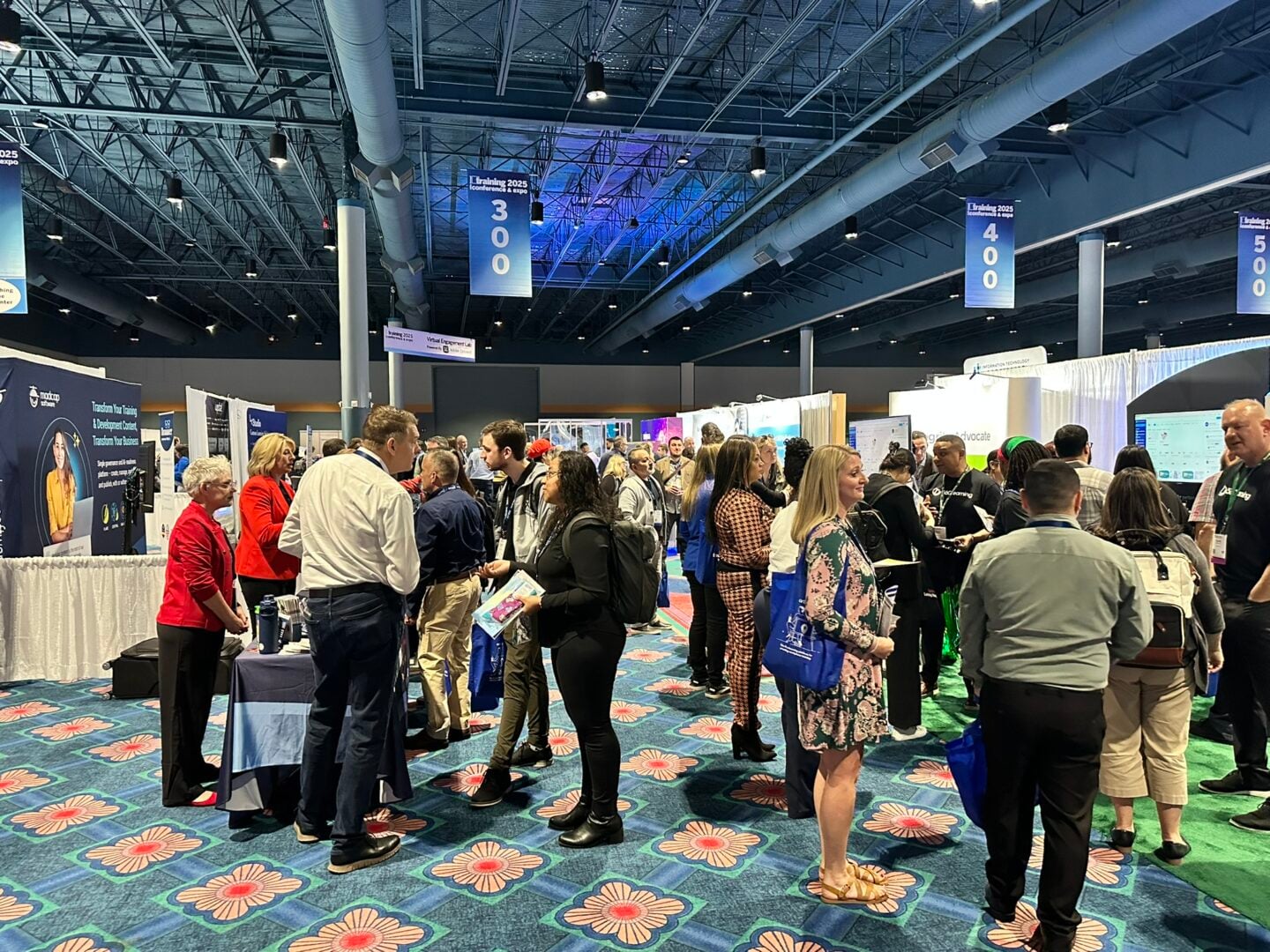
The market is vast. I’ve seen people walking around World of Learning, Learning Technologies, and Training Conference and not realise the scale of providers within the exhibition hall alone, let alone the whole market. I’ve shared some providers worth looking at. We provide our content direct and also deploy our off-the-shelf content across platforms including OpenSesame, HowNow, and Course Source.
Real Projects
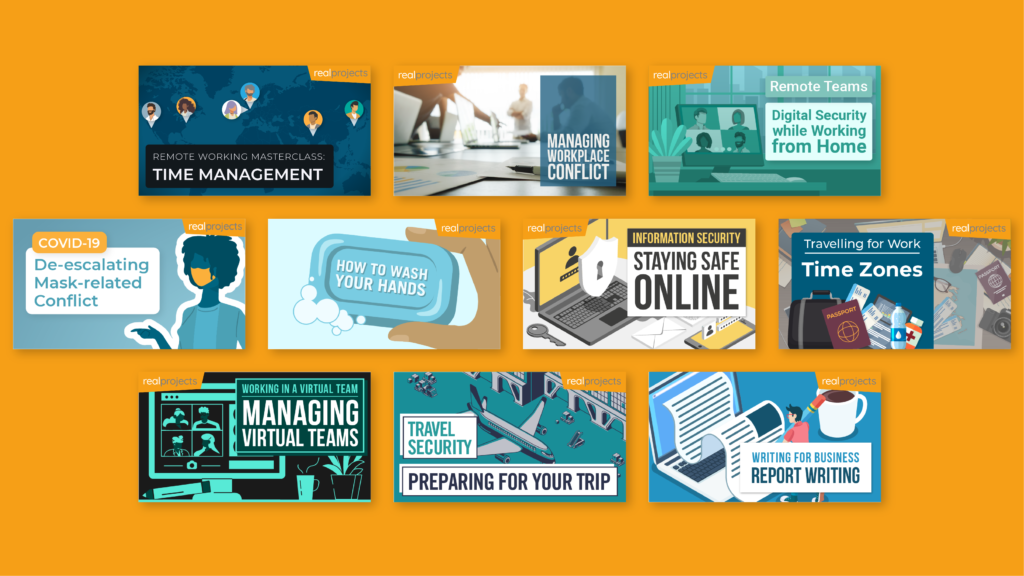
Our off-the-shelf content is built by our award-winning custom team. We’ll give you our roadmap and our course list. You’ll also get access to any course you want to deploy. We remove the friction. Short-form, SCORM-ready courses built for rapid deployment. 800+ courses across compliance, soft skills, and sector-specific topics. Available in nine languages including Latin American Spanish and Brazilian Portuguese. Metadata that makes skills mapping and personalisation straightforward.
Want to see how the library works in practice?
OpenSesame
The biggest aggregator with 30,000+ courses from multiple publishers. Works with most LMS platforms. Flexible licensing. Strong on volume, though curation takes more effort if you need targeted content. Excellent customer service and the buying experience across the website is good. Only the best providers are accepted by OpenSesame. We are on their platform.
LinkedIn Learning
16,000+ courses covering business, creative, and technical skills. Strong for professional development and upskilling. LMS-friendly, though less suited to structured, org-level learning programmes. Quality content and a detailed content acceptance programme keeps the standard high.
BizLibrary
9,500+ microlearning videos focused on business skills and compliance. US-focused. Good learner engagement track record.
Coursera for Business
University-quality content across data, digital, and professional skills. Available in 50+ languages. Less suited to same-day deployment. Better for longer-term development programmes.
HowNow
A platform that combines content from multiple providers covering compliance, cyber security, and leadership under a single subscription. HowNow+ now brings together some of the leading providers for HowNow customers. Recent addition is Guru, their AI coaching tool.
Off-the-shelf elearning for specialist sectors
Generic course libraries don’t always meet the needs of organisations in specialist industries. If you’re working in a specific sector you might feel there isn’t something for you. There is. You just need to know where to look.
We built AnalyiSport for the football sector. It provides data analytics training for football and sports professionals, focused on data interpretation and performance decision-making for practitioners in the industry. It’s a genuinely specialist library built for people who work in that world, not a generic course with a football logo on it.
We’ve also worked with TriSat, who provide security management training from foundation level to advanced qualifications. Their courses are modular, accessible on mobile, tablet, and desktop, and aimed specifically at the security sector. We worked with them and sector specialists to deliver the content, so it reflects real industry requirements rather than generic compliance topics.
You’ll find other specialist libraries out there. HSI deliver content on first aid and Basic Life Support training for health and safety requirements.
In the early years of Real Projects we created content for Oilennium, an elearning business delivering courses for the oil and gas sector. We’ve also built and deployed library content for the pharma sector, and we created a specialist library for the National Karting Association, a specific library for people working in karting that professionals in that sector can access and use.
You’ll start off thinking the only thing available is compliance and cyber security. That isn’t the case. I know because I’ve been involved in building these libraries, not just delivering a one-off custom course.
Custom vs off-the-shelf content: which fits your needs?
The choice between custom and off-the-shelf content isn’t a yes/no. A lot of organisations use both, but don’t be surprised if a colleague is using nothing or just one or the other. I’ve come across people who don’t like either or have had a bad experience. This is where my pre-qual list comes in. It removes a lot of the providers that won’t fit you before you’ve wasted any time.
When off-the-shelf works best
Off-the-shelf content suits organisations that need to move quickly, operate at scale, or cover standard training areas: compliance, soft skills, onboarding, digital literacy. It deploys the same day, costs significantly less than custom development, and can be updated by the provider without additional cost to you.
When custom makes sense
Custom content is the right choice when training needs to reflect proprietary processes, specific regulations, or confidential subject matter unique to your organisation. It takes longer and costs more, but for genuinely specialised needs it’s the more effective option. One note: confidential content doesn’t always mean custom. Some off-the-shelf providers offer white-labelling or branding options that keep your content feeling internal.
If you want to go deeper on this, I’ve written more on why off-the-shelf content holds up against custom.
The practical approach
Use off-the-shelf for broad coverage and speed. Reserve custom development for content that genuinely can’t be sourced elsewhere. A needs assessment will help you draw that line clearly.
| Off-the-shelf | Custom | |
|---|---|---|
| Cost | Lower: subscription or per-licence | Higher: £5,000 to £30,000+ per course |
| Speed | Same day deployment | Weeks to months |
| Flexibility | Fixed content, some branding options | Fully tailored to your needs |
| Best for | Standard topics, scale, speed | Specialist, proprietary, confidential |
Ready to deploy, cost-effective, no development time needed.
Use the extra time to evaluate quality carefully and run your pre-qual.
Off-the-shelf won’t cover this. Budget for development time and cost.
Get the list, map it to your needs. You might find more than you expect.
Most organisations use both. The pre-qual list above will tell you quickly whether a provider is worth your time.
Understanding SCORM
SCORM gets a lot of criticism, but it’s worth understanding what it actually is before you dismiss it. The idea is simple: if you’ve got an LMS and I’ve got an LMS, we should be able to easily share content between them. SCORM is the wrapper that makes that possible. It’s not the course. It’s not the audio. It’s the standard that holds everything together and passes data back to your LMS.
I keep reading about AI layers in new LMS and LXP platforms that are “reading SCORM content.” They’re not reading SCORM files. They’re reading the content within the SCORM file. SCORM is just the wrapper, the standard. What these platforms have done is unwrap the zip and get to the content inside. Without SCORM, content built by one developer wouldn’t reliably run on another provider’s platform. That’s still the problem it solves.
SCORM packages everything into a ZIP file containing the course assets and a manifest file that tells the LMS how to import and launch the content. It remains the most widely used standard in the industry, even as newer formats like xAPI have emerged. I’ve gone into more detail on how SCORM actually works if you want the fuller picture.
Earlier I talked about my pre-qual list. Getting a test SCORM file is on there for a good reason. SCORM files can fail validation if the publishing settings aren’t correctly configured for your specific LMS. I’ve come across this many times. File size is another frequent issue. IT departments that still restrict uploads to around 20MB are more common than you’d think. More importantly, zip files themselves often get restricted because zip is still used to hide viruses and malware. So if your SCORM upload is failing and nobody can work out why, get your IT team on the zip restriction issue quickly. It’s often that.
Always upload a test SCORM file to your platform before committing to a library. Any reputable provider will give you one. If they won’t, that tells you something.
Localisation: supporting global teams
You’ve probably used a translation app on holiday, or scanned a label and been impressed by how quickly it works. It’s impressive and nearly accurate enough for getting a taxi or finding the right platform at the airport. But you don’t want that for an entire course delivered to an entire workforce. I’ve seen it happen. Just pressing translate isn’t localisation. You miss whether the audio matches, whether the text actually fits the screen, and most importantly whether you’re delivering the experience your employees actually deserve.
Localisation in elearning isn’t just translation. It means adapting content so it’s culturally relevant: the examples, tone, and visuals, not just the words.
I started working in localisation back in the CD-ROM era, when delivering a localised version took months and we were sending reviews in the post. So I completely understand the excitement when you see a course translated into multiple languages in minutes. But it still needs to be correct. Is someone actually checking it? If you deploy it and it’s wrong, what’s the process for catching that?
When poor localisation becomes a serious problem
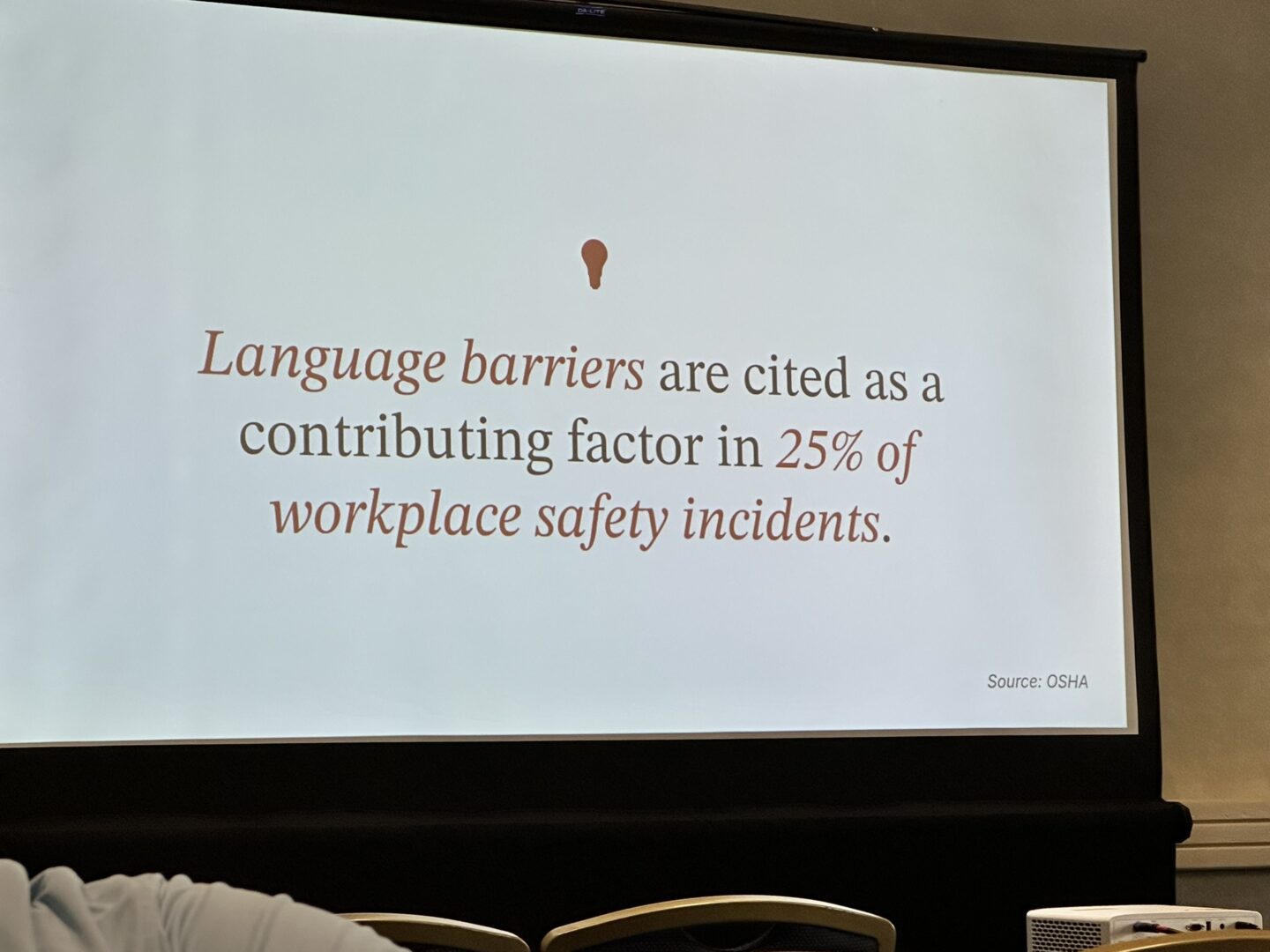
I was at Training Conference 2025 and heard examples that stay with you. In construction, manufacturing, and distribution environments, safety materials were only available in English. Employees were receiving training in a language they couldn’t fully access, while safety signage for machinery and emergency procedures was also only in English. The speaker linked this directly to workplace injuries. Poor localisation isn’t just a comprehension problem. When someone can’t read emergency instructions or safety warnings, it becomes a physical safety issue.
The compliance point is equally sharp. One participant described a manufacturing environment with around 40 languages spoken. Their question was direct: how can an organisation claim it’s compliant if it’s training people in English when it knows some of those people can’t properly access the content? Completion data might look fine on paper. That doesn’t mean the training worked.
What to ask a provider
If you’re evaluating multilingual content, ask whether it’s been checked by native speakers. Automated translation tools have improved significantly but they still miss cultural nuance. For a provider claiming Spanish content, confirm whether it’s Latin American Spanish, European Spanish, or both. These are not interchangeable. I’ve written more on how the right approach to multilingual content empowers global teams if you want to go further into this.
How we approach it at Real Projects
We use a hybrid process. AI-driven tools handle the initial translation and voiceover synchronisation, which speeds up production significantly. Native speakers then review tone, pacing, and cultural context to make sure the result is accurate and appropriate for the audience. We’ve used this process to deliver content across nine languages including Brazilian Portuguese, Latin American Spanish, Italian, German, and French.
Elearning library roadmaps
I like a roadmap. Most providers want to lock you into long contracts, and while I’d always push for flexibility, you still need to know what’s coming. A roadmap is simply a provider’s development plan: new courses, new topics, new languages, updates. None of us can predict the future and things change, but you need a sense of direction.
I’ve been in situations where things come out of nowhere. Covid is the obvious example. We needed very specific content quickly and it wasn’t on anyone’s original plan. Having a supplier who knows what they’re building next, and who can respond when priorities shift, makes a real difference. That’s why I’ve added it to my pre-qual list.
A good roadmap should cover scheduled course releases, topic expansions, language additions, and updates to existing content. But there’s something most buyers don’t think to ask: can you have some involvement in it? If you ask for something very specific, how to control a submarine, for example, it’s unlikely to have much interest for the rest of the customer base. But cyber security, tech skills, soft skills, you might actually get your course added to the list. Ask the question.
When evaluating a provider, look for scheduled releases, evidence of customer-driven updates, and whether they’re expanding multilingual coverage. A provider that can’t answer these questions clearly isn’t actively developing their library. And that should matter to you, because you’re not just buying what exists today. You’re buying into a direction.
Microlearning
Microlearning is a bit of a buzzword and it gets a hard time. You’ll have heard the pitch about people being time-poor, not having enough time to learn. Well, if the content is good and people need it, they’ll use it regardless of the length. And if it’s 20 hours on how to lift a box safely, it’s hardly going to get used even if the best director in the world was involved.
The point is to check what the content actually is. Microlearning, nano bursts, one-minute masters, whatever they’re calling it, shouldn’t be leftover content dressed up with a marketing budget to give the library something different to shout about. You’ll hear talk of impact, ROI, and behaviour change from a one-to-five minute module. That’s possible, but only if the content is designed to do that job deliberately.
What I’d look for is whether the short format is consistent across the full catalogue or whether it’s limited to a specific tier. And ask what’s actually in a one-minute course. If the answer is a repackaged slide from a longer module, that’s not microlearning. That’s content someone has tried to make additional revenue from. Sounds harsh, but that’s where you need to be careful.
Next steps: whether you’re ready to buy or just starting out
The off-the-shelf elearning market is bigger than people realise, and certainly bigger than the vendors you’ll see in an exhibition hall. All the LMS providers and large content providers will talk about quality, flexibility, price, and brand, but the pre-qual list I shared earlier will help you get through the noise quickly.
If you speak to a provider and they can’t give you quick answers to those questions, you’ve already learnt something about them. And if you can’t get a demo quickly and easily, that’s worth being buyer aware about too.
It’s a market and a time where it’s easy to get distracted by noise, LinkedIn posts, and thought leader opinions. Make sure you’re getting what’s right for your organisation. You know what you need, and that depends on your LMS, your topics, your languages, and how quickly you need to move.
There’s no single “best” provider, just the one that fits what you actually need right now. Get the course list, run it against your requirements, and don’t be afraid to ask for a test SCORM file before you commit to anything.
If you want to see how our library fits into that picture, the team below can talk you through it.
Frequently asked questions
What is off-the-shelf elearning content?
Pre-built courses that can be deployed immediately to your LMS or LXP. They cover topics from compliance and soft skills to sector-specific content, and are typically packaged as SCORM files ready for same-day upload. Unlike custom content, they don’t require development time or an in-house team.
What’s the difference between off-the-shelf and custom elearning?
Off-the-shelf content is pre-built and ready to deploy. Custom elearning is developed specifically for your organisation, which is valuable for proprietary processes or highly specialised subject matter. Most L&D teams use both: off-the-shelf for broad coverage, custom for content that can’t be sourced elsewhere.
What should I look for in an off-the-shelf elearning provider?
Content quality and instructional design, topic coverage, SCORM or xAPI compatibility with your LMS, multilingual support, accessibility compliance, and update frequency. Always request sample courses before committing. Quality varies significantly between providers.
How much does off-the-shelf elearning content cost?
Most providers offer annual subscriptions based on learner numbers, per-course licences, or unlimited library access. Off-the-shelf is significantly cheaper than custom development. A custom course can cost £5,000 to £30,000+ to build, while library subscriptions typically run from a few hundred to a few thousand pounds per year. Always clarify what’s included and ask about year two and year three pricing before signing.
How quickly can off-the-shelf elearning courses be deployed?
In most cases, same day or within 24 to 48 hours. Once you receive the SCORM files, uploading to your LMS takes minutes per course. Make sure you also receive thumbnail files and metadata. Without these, search quality and skills mapping in your LMS will be significantly weaker.
Scott Hewitt
Scott Hewitt is the founder of Real Projects, an off-the-shelf elearning content library trusted by organisations including HowNow, OpenSesame, Ticketmaster, and easyJet. He has built a library of over 800 courses across nine languages, with a focus on practical workplace training that’s ready to deploy on any major LMS.
Scott has spent over 25 years working in elearning as a buyer, supplier, and creator. This page draws on that experience: what to ask, what to test, and what to watch out for before you sign.
 Connect on LinkedIn