Every organisation has different constraints, audiences, risks, and expectations. What works well in one context can be completely wrong in another.
Table of contents
- How content quality affects buying elearning content
- Using off-the-shelf elearning effectively after purchase
- Why ownership matters when buying elearning content
- Localisation risks when buying elearning content for global teams
- Accessibility requirements when buying elearning content
- Pricing and ROI considerations when buying elearning content
- Using AI responsibly when buying elearning content
- Implementation mistakes that reduce elearning value
- How to make better decisions when buying elearning content
- Questions and answers
Over time, that experience taught me a lot about how elearning is built, designed, deployed, and judged.
That experience also aligns with wider industry data.
- Only 20–30 percent of courses in large elearning libraries are typically accessed by learners, showing how easily content becomes shelfware without curation.
Source:Training Industry - Microlearning modules under ten minutes consistently achieve higher completion and engagement than longer courses.
Source:eLearning Industry - Learners spend an average of around twenty-four minutes per week on formal workplace learning, limiting the impact of long, content-heavy courses.
Source:eLearning Industry - Organisations that use curated learning pathways report higher content utilisation than those relying on search alone.
Source:Chief Learning Officer - Accessibility aligned to WCAG standards is increasingly a procurement requirement, particularly in public sector and regulated environments.
Source:Training Journal
These patterns reinforce why buying elearning content is rarely just about the content itself. Structure, intent, accessibility, and ownership shape whether learning is used or ignored.
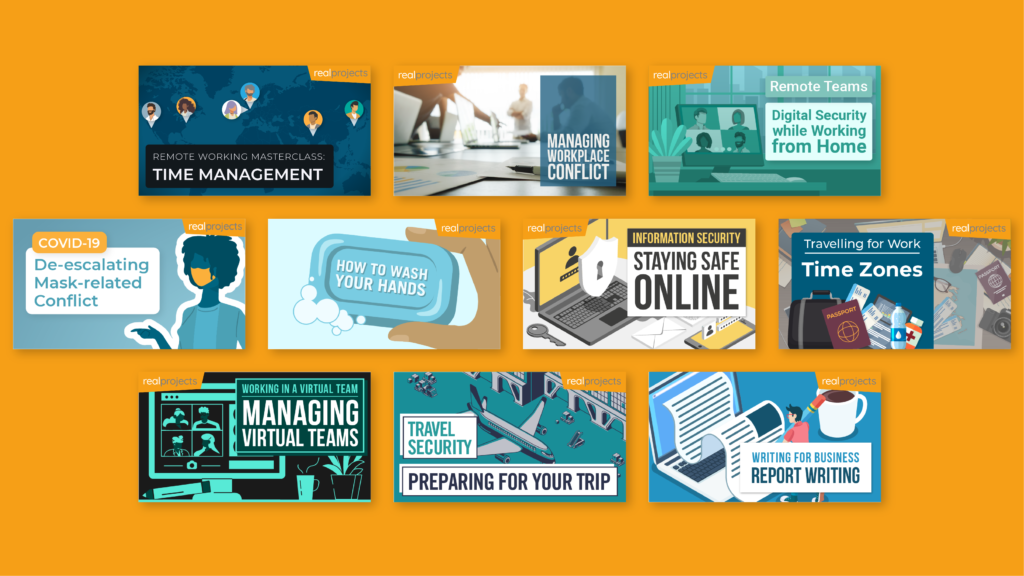
We’ve used those lessons to build our own learning library. It now includes over 800 courses in nine languages, alongside custom projects delivered in additional languages. That gives us a clear view of what actually happens when organisations go to market to buy elearning content, not just what vendors promise.
From the buyer side, elearning often looks simple.
You review a few companies.
You look at a handful of libraries.
You compare topics, subjects, and budgets.
You check it will work in your LMS or LXP.
You get sign-off and move on.
This is where many projects start to go wrong.
Content gets purchased, dropped into the platform, and expected to do the work on its own. In reality, that moment is where most of the risk begins, especially when buying elearning content under time pressure.
Running an elearning company gives you a different view. You see where content lands well, where it quietly fails, and where organisations lose value without realising it. You also see the same patterns repeat. Not because people are careless, but because elearning decisions are often made under budget pressure and unrealistic expectations.
What follows are 100 lessons drawn from building, selling, localising, maintaining, and supporting elearning at scale. Many relate directly to off-the-shelf content. Others are about quality, delivery, and judgement. All of them affect whether buying elearning content delivers value or quietly becomes shelfware.
How content quality affects buying elearning content
- Good voiceover doesn’t fix bad writing.
- You need a good writer.
- You need writing guidelines.
- You need design guidelines.
- You are designing for your audience, not for yourself.
- Course length is still treated like a quality signal. It is not.
- Short, focused lessons often perform better than long courses, especially when learning needs to fit around real work.
- One strong idea usually works better than an overloaded module.
- Titles influence engagement more than most teams expect. People respond to clarity and relevance, the same way they do on Google or YouTube.
- Learners respond to scenarios and outcomes more than abstract labels.
- Concrete examples beat generic theory almost every time.
- Many poor courses are structural failures rather than content problems.
- You cannot separate instructional quality from visual decisions.
- Good scripts sound like a human coach, not a policy document.
- Microlearning works best when it is designed deliberately, not chopped up.
- Many courses are still too long for real working patterns. Few people want an hour of training to learn how to lift a box safely.
- Listening to learners beats copying competitors.
- Completion rates alone tell you very little. Combined with other data, they can be one of the most useful signals you have.
- Mobile use has changed expectations around pace and clarity.
- Mandatory learning often encourages people to do the minimum required, unless the content is clearly relevant and well designed.
Using off-the-shelf elearning effectively after purchase
- Off-the-shelf elearning works best when it is part of a wider learning strategy.
- Having content is not the same as having a learning plan.
- Clear use cases matter more than catalogue size.
- Off-the-shelf content is strong on speed and coverage, but weaker on organisational nuance.
- Custom content tends to be more effective when organisational context, language, or risk genuinely matters.
- Hybrid models can work well when off-the-shelf content provides speed and coverage, and custom elements add context where needed.
- Buyers often select libraries by topic lists and price alone.
- Poor implementation is often mistaken for poor content.
- Large libraries need curation and framing, not just search.
- All libraries have a lifecycle and need active management.
Why ownership matters when buying elearning content
- Elearning works best when someone owns it internally.
- If success is not defined upfront, ROI is impossible to judge later.
- Content is often bought for coverage but judged on impact.
- Leadership buy-in shows up in behaviour, not just budget.
- Learning works best when it supports real work, which means understanding what people actually do, not what job descriptions say they do.
- Platforms do not solve problems. People do.
- Renaming elearning does not fix weak delivery.
- Adding more content rarely fixes poor usage.
- Many L&D teams are under pressure to do more with less.
- The best teams focus on using content better, not buying more.
- Off-the-shelf content fails more often in deployment than in design.
- Context and framing matter more than volume.
- Treating learning like a product changes outcomes.
- Curated libraries outperform unmanaged catalogues.
- Your catalogue signals what your organisation values.
Localisation risks when buying elearning content for global teams
- Translation is not localisation.
- Cultural relevance matters as much as language accuracy.
- Vendors often underplay localisation QA.
- AI voiceover still needs human review.
- Different regions prefer different media approaches.
- Course length expectations vary by market and sector.
- Managing language versions quickly becomes complex.
- Weak systems create expensive rework.
- AI plus human workflows scale more reliably.
- Language quality directly affects credibility.
Accessibility requirements when buying elearning content
- Accessibility is often a procurement requirement, not an optional extra.
- Retrofitting accessibility is costly and disruptive.
- Text density and contrast affect completion and usability.
- WCAG provides a shared baseline across regions.
- Automation still requires human oversight.
- Accessible design benefits everyone, not just those with declared needs.
- Accessibility issues are often discovered late in the process.
- Accessibility conversations often lead to wider inclusion improvements.
Pricing and ROI considerations when buying elearning content
- Pricing models often prioritise competitiveness over long-term value.
- Cheap content with no usage is expensive.
- Internal rollout and communication costs are often underestimated.
- Licensing models influence behaviour as much as access.
- ROI is clearer when linked to risk reduction or performance outcomes.
- Long-term responsiveness matters more than initial price.
- Pricing aligned to business risk is easier to justify internally.
Using AI responsibly when buying elearning content
- AI accelerates production, not judgement.
- Metadata and tagging are strong AI use cases.
- Prompt discipline matters more than most teams expect.
- Translation still carries cultural and legal responsibility.
- Learners care about relevance and clarity, not how content was built.
Implementation mistakes that reduce elearning value
- Version control is essential.
- File chaos kills productivity.
- Naming conventions save time and money.
- Source files must always be accessible.
- Copyright ownership should never be assumed.
- Project files should be collected and stored properly.
- Testing protects quality.
- Backups must be tested, not assumed.
- Small visual issues damage credibility.
- Over-animation distracts from learning goals.
- Simple visuals work when stories are clear.
- Media choice should match learning intent.
- Cover art affects perceived quality.
- Framework obsession often hides user needs.
- Audio control should be a setting, not a constraint.
- Forced audio frustrates users.
- Feedback often reveals structural problems.
How to make better decisions when buying elearning content
- Elearning is a commercial decision as much as a learning one.
- Tenders should define requirements, not demand free work.
- Free design work distorts decision-making.
- Tool preference is not the same as suitability.
- Good judgement matters more than shiny platforms.
- Ask to see demo content that you have chosen, not just pre-selected examples the vendor wants to show you.
- If you are not clear on what you are looking for, you are probably not ready to buy elearning content yet.
- Do not use the buying process to build your specification. Define what you need first, then refine it as you evaluate options.
What Actually Matters When Buying Elearning Content
Off-the-shelf elearning is rarely the problem.
What usually causes issues are rushed decisions, weak ownership, and unrealistic expectations about what content can do on its own.
When elearning is treated as a product, implemented with intent, and connected to real outcomes, it delivers value. When it is bought quickly and left to fend for itself, it quietly fades into the background.
The difference is not the content.
It is how decisions are made around it.
Questions and answers
How do you build an L&D programme?
Start with business problems, not content. Define the skills or behaviours needed, choose learning formats that fit the work context, and assign ownership. Use a mix of off-the-shelf content, practice, and support. Measure usage and impact, then adjust.
How do you start an elearning company?
Begin with a clear problem you solve, not a course list. Decide who you serve, what content gap exists, and how you will maintain quality at scale. Build strong writing, design, and delivery processes before investing heavily in tools or platforms.
What are the three main types of elearning?
The main types are self-paced elearning courses, virtual instructor-led training, and performance support or microlearning. Each serves a different purpose. Effective L&D programmes usually combine all three rather than relying on one format alone.
How much does it cost to develop an elearning course?
Costs vary widely. Simple off-the-shelf courses cost far less than custom builds. Custom elearning can range from a few thousand pounds to tens of thousands, depending on length, design, media, localisation, accessibility, and ongoing maintenance requirements.