It’s a valid question. One that deserves a structured, practical answer.
Setting the Context: Why Variety, Quality, and Flexibility Matter
Content Variety: 83% of organisations with successful elearning programmes report that diverse content types (videos, interactive modules, quizzes) are critical for engagement (Source: Training Industry).
Library Match Rate: Only 60% of surveyed L&D leaders report finding an elearning library that meets 80% of their training needs. Most supplement with custom content or multiple providers (Source: LinkedIn Workplace Learning Report).
Quality Impact: Companies with engaging, high-quality content see a 40% increase in satisfaction and retention compared to those using static or lower-quality libraries (Source: elearning Industry).
Review Process Benefits: Organisations using structured content review processes report a 25% reduction in revision time and a 30% increase in alignment with expectations (Source: Deloitte Insights).
Future-Proofing: 70% of organisations believe that flexible elearning libraries, which can be updated or expanded, offer the best ROI as industry needs evolve (Source: Brandon Hall Group).
With this in mind, here’s a step-by-step approach to selecting the best elearning library for organisations. One that supports both current goals and future plans.
Step 1: Identify Your Current and Future Needs
Start by reviewing your immediate training requirements.
Most organisations have a clear idea of the subjects, course formats, and delivery methods they need right away.
Then, look ahead. What content will be essential over the next year or two?
If there’s no roadmap in place, consult internal stakeholders and define one. Aligning your content strategy with wider business plans ensures the library you select is both relevant and scalable.
Also review what content is actually available in the library, how it is maintained, and how pricing works. Avoid entering a relationship only to discover that updates are infrequent or pricing is unpredictable.
Scott Hewitt notes, “When selecting an elearning library, I’ve found that finding libraries with a clear content list and simple pricing is challenging.”
Step 2: Compare Vendor Offerings with Your Needs
It can be difficult to match internal needs with a vendor’s catalogue. At conferences or during demos, the full course list often isn’t shared.
Request a Course List:
Ask the supplier for a complete list and check it against your learning needs. Access to this should not require signing an NDA.
Accept a Partial Match:
A 100% match is unlikely. Consider using multiple elearning libraries or blending off-the-shelf content with custom development to achieve the right fit.
Establish a Review Structure:
If you don’t already have one, build a repeatable process to assess quality. Start by noting what you look for when reviewing a single course. Then turn that into a checklist you can use at scale.
Step 3: Evaluate Content Formats
A library may list hundreds of titles. But what are you actually getting?
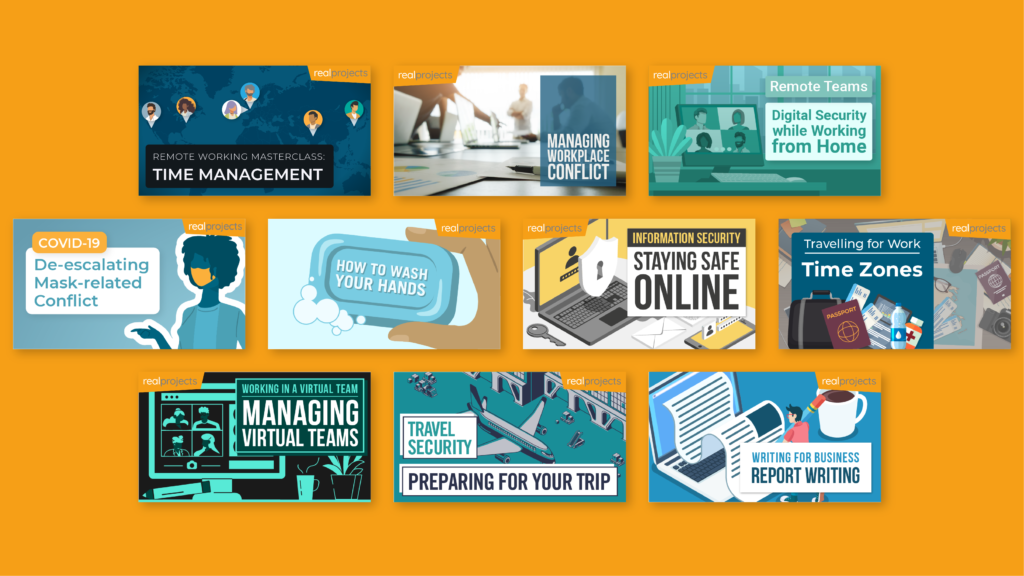
Check the format breakdown. Are you getting full courses, video explainers, animations, PDFs, or interactive elements?
Understanding this mix is essential for judging value. It also ensures your budget is supporting formats that suit your audience and learning objectives.
Scott Hewitt observes, “Understanding the budget, specific subject areas, and preferred media types is essential. You definitely don’t want to end up with a library full of PDF articles when you expect more diverse content.”
Step 4: Assess Quality and Engagement
While quality is subjective, some markers are consistent.
Pay attention to voiceover quality, pacing, animation, and writing style. High-quality content should be brief, well-structured, and professionally executed.
It should also align with your internal tone and standards. This is especially important if learners are already used to a certain style or platform.
Scott Hewitt adds, “Working with vendors also requires a straightforward, efficient procurement process, ensuring a clear, replicable content review to keep everything aligned with our needs.”
Where to Find elearning Content Providers
You can locate providers through multiple channels.
Start with web searches. Check LinkedIn for vendor activity, then follow up with a request for course previews or access.
Conferences can be useful. But many vendors don’t rely on these events to showcase their offering.
Peer recommendations are also useful. Though it’s important to apply your own review criteria to validate suitability.
The Importance of Content Review Process
A structured review process supports better procurement and smoother implementation.
From the outset, track feedback by type. Text edits, graphic changes, or interaction adjustments.
Over time, this data helps identify patterns and improve briefing processes.
If you’re constantly revising graphics, for example, that may suggest gaps in initial guidance or expectations.
Data-informed reviews reduce delays and help refine your overall elearning strategy. They also improve alignment across internal teams and vendor partners.
Finding the best elearning library for organisations is not just about content volume. It’s about choosing a solution that balances relevance, flexibility, and quality.
When you align vendor capabilities with your organisation’s needs, you set your team up for success both now and in the future.
Commonly Asked Questions
Q: Which elearning platform is best?
The best platform depends on your organisation’s needs. Look for one with diverse, high-quality content, flexible update options, and a transparent pricing structure. Match offerings against your internal training goals.
Q: How long does elearning last?
It varies. Some modules take minutes to complete, while full courses may last several hours. The best elearning library for organisations offers both short-form content and deeper learning modules to support different requirements.
Q: What is off-the-shelf content?
Off-the-shelf content is pre-built elearning. It’s immediately available and covers common subjects such as compliance, hybrid working, leadership, cyber security, and soft skills. It saves time and reduces production costs.
Q: What is an example of online interactivity?
Interactivity includes quizzes, drag-and-drop exercises, clickable diagrams, and branching scenarios. These tools boost learner engagement and help reinforce new knowledge.